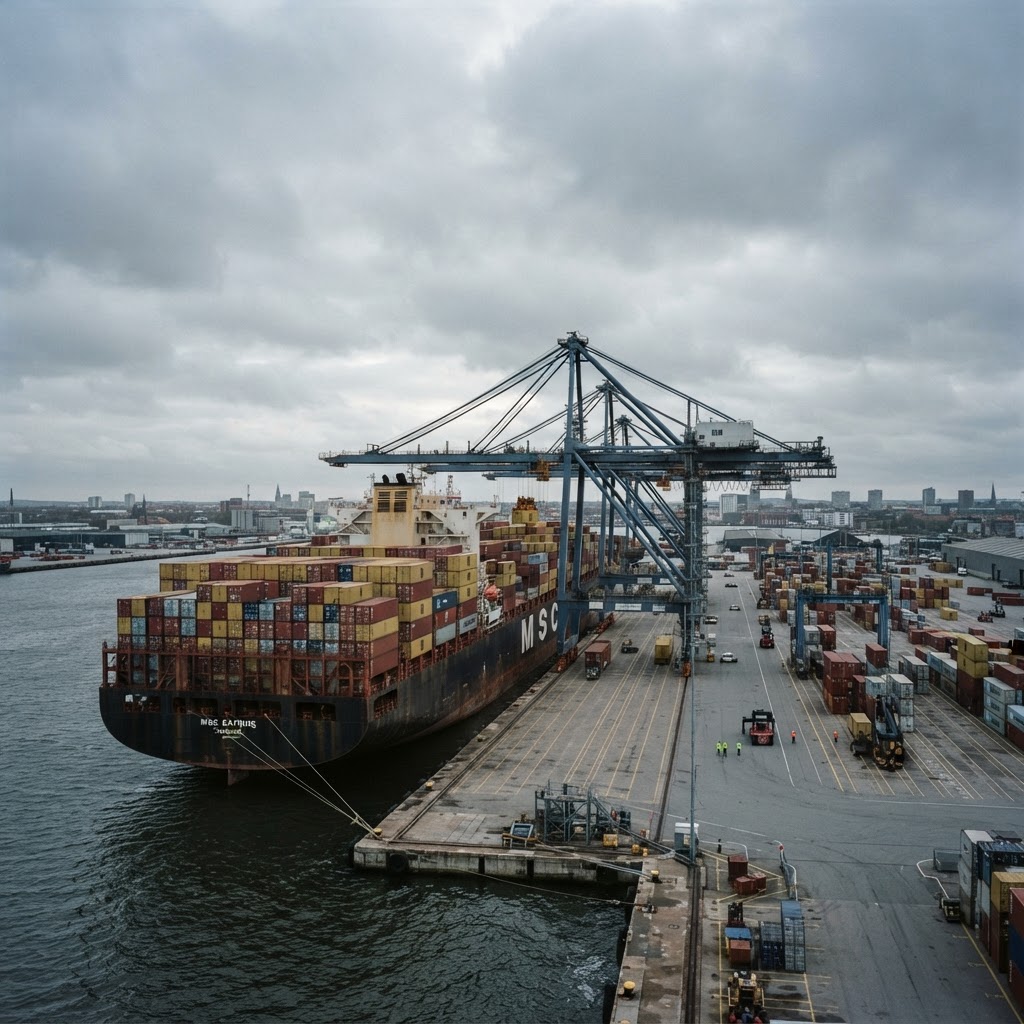
Two importers can buy the same product from the same factory at the same price per unit and end up with wildly different costs. The difference is usually three letters on the quotation: EXW, FOB or CIF.
Incoterms look like paperwork, so they get skimmed. But each rule answers two questions — who pays for each leg of the journey, and the exact moment the goods stop being the seller's problem — and both answers move money.
This guide covers the three terms you will meet on almost every quotation, why Ex Works usually costs more than it saves, and the one misconception about CIF that catches experienced buyers.
- 01Incoterms set cost and risk. They say nothing about ownership, payment or product compliance — that belongs in the contract.
- 02EXW looks cheapest because it leaves export clearance with you, which a foreign buyer often cannot perform. Ask for FCA instead.
- 03FOB is the sensible default for a first container: you choose the forwarder, so you see the real freight cost.
- 04Under CIF, risk still passes at the loading port. The seller pays the freight; you carry the voyage.
What Incoterms actually define
Incoterms are three-letter rules published by the International Chamber of Commerce. The current edition, Incoterms 2020, contains eleven rules, and each answers exactly two questions: which costs each side pays, and where risk passes from seller to buyer.
They do not define ownership, payment terms, product compliance or which law governs a dispute. Those belong in the contract of sale. Buyers who treat an Incoterm as a complete contract discover the gap only when something has gone wrong.
- FOB, CFR and CIF are sea rules only. They apply to sea and inland waterway transport. Using them on an air or rail shipment is a common and consequential mistake.
- Every rule names a precise place. “FOB Yantian, Shenzhen” is a term. “FOB China” is the start of an argument.
- The edition matters. Write “Incoterms 2020” into the quote, because the 2010 text assigns some obligations differently.
EXW: cheapest on paper, most work in practice
Under Ex Works the seller's only obligation is to make the goods available at their premises, packed as agreed. Everything after that — export clearance, inland haulage, ocean freight, insurance, import duty — is yours.
On a spreadsheet EXW always looks cheapest, which is why so many factory quotes default to it. The arithmetic is misleading.
- Export clearance becomes your job. A foreign buyer usually cannot file the Chinese export declaration. Without it the goods may not leave lawfully, and the VAT refund the factory wanted is unavailable.
- Collection is harder than it sounds. Your forwarder has to reach an address that may be far inland, with loading equipment that may not exist there.
- Risk starts at the factory door. Damage in the yard, before anyone has inspected the cartons, is already your loss.
FOB: the buyer's default
Free On Board means the seller delivers the goods on board the vessel you nominated, at the named port, and clears export. Risk passes at that moment — when the container is lifted onto the ship.
- You pay ocean freight, marine insurance, destination charges, duty and inland delivery.
- The seller pays origin handling, the export declaration and loading on board.
- You appoint the forwarder, so you see the real freight rate and control the routing, the sailing and the arrival notice.
That is why FOB is the right default for a first container: it keeps the parts you need to learn. Two details decide whether it protects you. Name the port and terminal precisely. And check who pays the origin charges — terminal handling, documentation and any “local charges at origin” — because some FOB quotes quietly reassign them to you on the destination invoice.
One limitation: FOB transfers risk on board, not at the terminal gate. Loss in the container yard before loading is the seller's problem, so keep a written record of the handover.
CIF: simple, opaque, and easy to misread
Cost, Insurance and Freight means the seller pays the ocean freight and insurance to your destination port and folds both into the unit price. It sounds like a door-to-door promise. It is not.
- The insurance is minimum cover. 110% of the contract value on Institute Cargo Clauses (C), which excludes theft, water damage and most handling damage. Ask for (A) clauses if you want real protection.
- The freight component is invisible. Comparing two CIF quotes tells you nothing about which is better value, because you cannot see what each is charging for the sea leg.
- Claims land on your desk. If the cargo is damaged at sea, you claim — against a policy you never negotiated.
CIF is genuinely convenient for small, irregular shipments with no forwarder relationship. As soon as you ship regularly, move to FOB and buy your own freight and insurance.
Side by side: cost, risk and control
- EXW. Risk passes at the factory; you clear export. Cheapest quote, widest exposure.
- FCA. Risk passes when the goods are handed to your carrier, export cleared by the seller. The container-friendly rule.
- FOB. Risk passes on board at the origin port. You control freight and cover.
- CFR. The seller pays freight, but risk still passes at origin. FOB with a hidden sea leg.
- CIF. CFR plus minimum insurance. Risk still passes at origin.
- DDP. The seller delivers duty paid to your door and risk passes there. Convenient, with a compliance caveat covered below.

DDP, and the 2020 changes worth knowing
Buyers ask for DDP when they want a single number, and it can work. It also carries a specific trap: DDP makes the seller responsible for import clearance and duty, but in the US the importer of record must be a US entity with a customs bond. Sellers work around that with a nominee importer or a low declared value, and either can leave you with a compliance problem on a shipment you never controlled.
Two changes in the 2020 edition are worth flagging. DAT was replaced by DPU — delivered and unloaded — so unload remains the seller's obligation under that rule. And CIP now requires the higher Institute Cargo Clauses (A) cover, while CIF still requires only (C). If a supplier quotes CIP and sends a (C) certificate, the term has not been met.
How to choose, and what to write down
- Containerised cargo: FCA from the factory, with your own forwarder. Name the exact handover address.
- Breakbulk, bulk, or a first trial shipment: FOB at the named port, so you control freight.
- Small, irregular volumes and no forwarder: CIF, with the insurance clauses upgraded to (A).
- A single landed price for a test order: DDP is acceptable — once you have written confirmation of who will be the importer of record and what value is declared.
Whatever you choose, put three lines into the quotation or purchase order: the rule and its edition, the named place, and the party responsible for origin charges. Then check the freight invoice against those lines. Most Incoterm disputes are a destination charge that nobody agreed to.
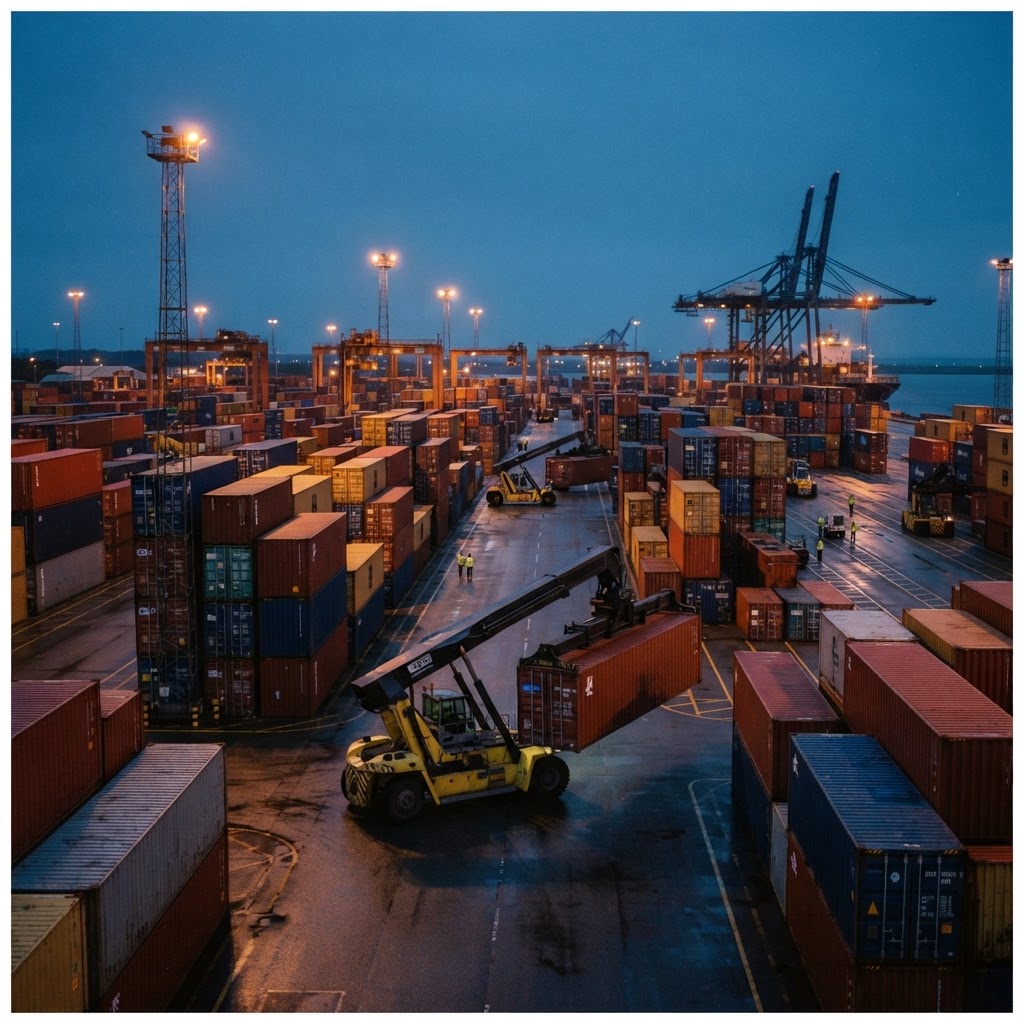
The eight-point Incoterms check
Keep this beside the quotation while you compare suppliers. A term that fails even two of these lines is not a price — it is an estimate with someone else's assumptions in it.
-
01
Rule and edition
The three letters plus “Incoterms 2020” written into the quote.
-
02
Named place
Port, terminal or address named exactly — never just a country.
-
03
Transport mode
Sea rules used only for sea or inland waterway shipments.
-
04
Origin charges
THC, documentation and export handling assigned to one side in writing.
-
05
Risk transfer point
You can state in one sentence where the risk becomes yours.
-
06
Insurance cover
Clauses (A) or (C) named, with the insured value confirmed.
-
07
Destination costs
Terminal handling, drayage and broker fees quoted, not estimated later.
-
08
Importer of record
For DDP: who clears entry, under which bond, at what declared value.