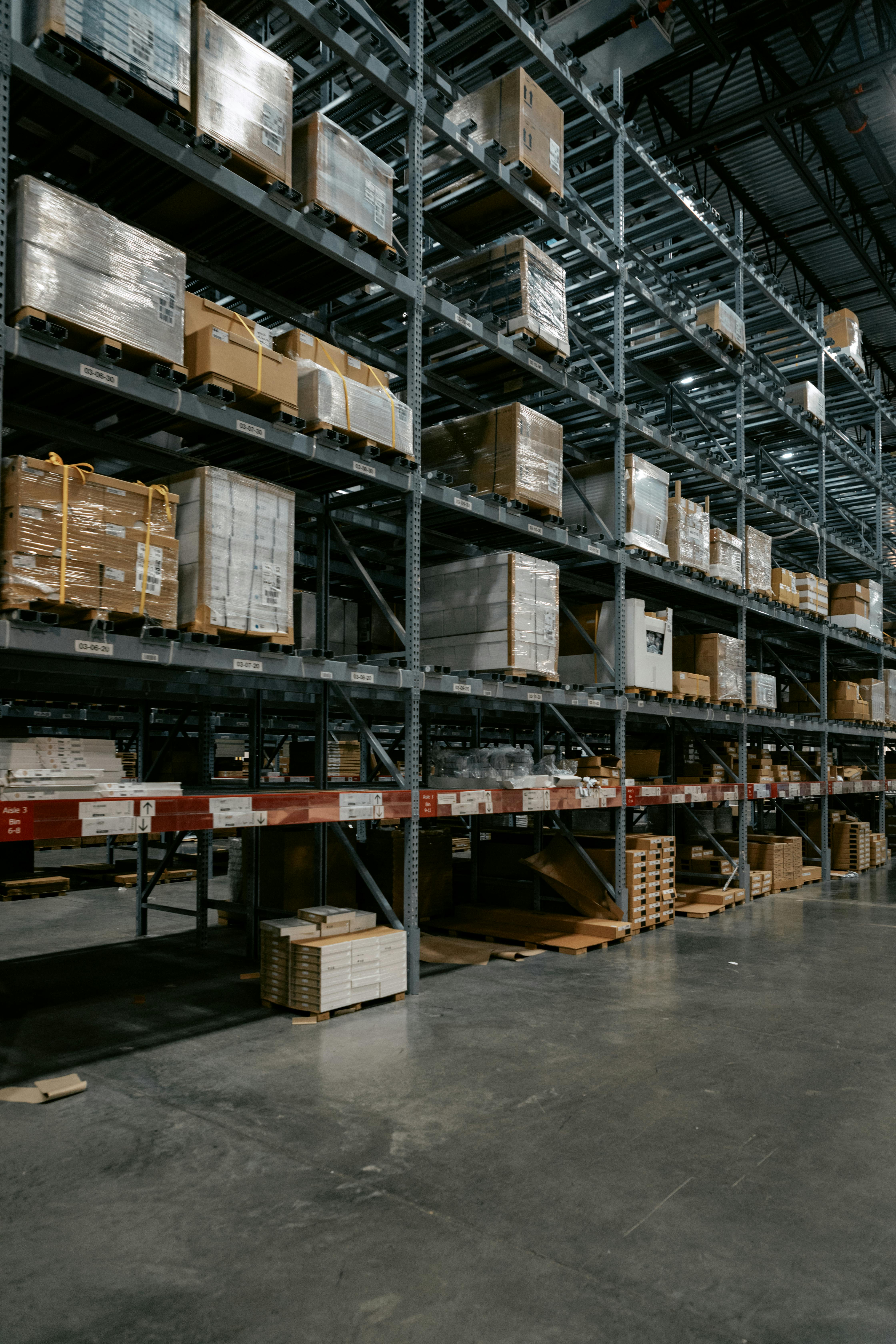
Wholesale buying means purchasing products in larger quantities, usually at lower per-unit prices than retail. It can help entrepreneurs stock an online store, supply a shop, or resell products to other businesses. A successful purchase, however, involves more than finding a low price. Beginners must compare suppliers, understand minimum order quantities, check quality, calculate shipping costs, and agree on clear terms.
This guide explains the main steps, from choosing a product to reviewing your first shipment. The same principles apply whether you buy locally or source goods internationally.
- 01Research demand and define the product you need.
- 02Compare supplier types, quotations, and business credentials.
- 03Calculate the full cost, including freight and import expenses.
- 04Approve samples and put payment, quality, and delivery terms in writing.
Choose the right products
Start with products that meet a clear customer need. Research demand, competitor prices, customer reviews, and seasonal trends before contacting suppliers. Consider storage space, shipping difficulty, product lifespan, and any rules that apply to the goods.
Write a product specification covering materials, dimensions, colors, models, packaging, labels, and required features. Clear requirements make quotations comparable and reduce the chance of receiving something different from what you expected.
Understand supplier types
A manufacturer makes the goods and may offer customization, often with larger order requirements. A wholesaler buys products in bulk and resells them. A distributor may represent specific brands or product lines. A trading company coordinates sourcing and sales, sometimes using partner factories.
Ask whether the supplier is the manufacturer or an intermediary, where the goods are made or stored, and who handles quality problems. A trading company can be useful, but you should know which factory will fulfill the order.
Find and compare suppliers
Search business-to-business marketplaces, trade shows, industry directories, manufacturer websites, and referrals. Online listings help you discover companies, but a profile or product listing is not proof of reliability.
Shortlist several suppliers and request quotations using the same specifications. Compare unit price, quantity, packaging, production time, shipping options, payment terms, and quote validity. Check the business identity, relevant experience, references, and willingness to provide samples. Be cautious about pressure to pay immediately, inconsistent company names, or unexplained third-party accounts.
Understand minimum order quantities
A minimum order quantity (MOQ) is the smallest quantity a supplier will sell under stated terms. It may apply per product, color, size, or design. Larger quantities can reduce the unit price, but they also tie up cash and increase the risk of unsold inventory.
Estimate realistic sales before agreeing to an MOQ. If it is too high, ask about a trial order, mixed colors or models, available stock, or a smaller quantity at a different price. Confirm any setup, customization, or packaging charges.
Calculate the full cost
The wholesale price is not your total cost. Include samples, packaging, labels, inspection, freight, insurance, customs duties, taxes, brokerage, payment fees, domestic delivery, and storage. For imported goods, these charges can significantly affect profitability.
Estimate the landed cost by adding the purchase price and the costs required to get the goods to your destination, then divide by the number of sellable units. Compare that figure with your expected selling price and allow for advertising, marketplace fees, returns, discounts, and operating expenses.
Request samples and check quality
Order a sample whenever practical. Check its materials, dimensions, finish, performance, features, and packaging against your written specification. For branded products, review logo placement and labels as well.
Keep a record of the approved sample and ask the supplier to confirm that bulk production will match it. For larger or higher-risk orders, arrange an independent inspection and agree on acceptance criteria before production or shipment. A sample can reveal problems before they affect an entire order.
Agree on safe payment terms
Suppliers may request full advance payment, a deposit with a later balance, or another arrangement. Terms depend on the supplier and transaction. Confirm the beneficiary's name and its relationship to the company in your quotation or contract before transferring funds.
Independently verify any last-minute bank-detail change using a previously confirmed phone number. Put deposits, due dates, production milestones, inspection conditions, and remedies in writing. If using a marketplace payment service, read its coverage, exclusions, deadlines, and dispute rules.
Plan shipping and importing
Ask where the goods will ship from, when they will be ready, how they will be packed, and which transport options are available. Air freight is generally faster but may cost more; ocean freight can suit larger shipments but takes longer and may involve port and inland charges.
For international orders, clarify the delivery rule and exact named place or port. Incoterms® rules allocate certain costs, tasks, and risks, but do not replace a complete sales contract. Check import permits, product standards, labeling, duties, taxes, and required shipping documents with a customs broker or qualified trade professional when necessary.
Place a manageable first order
Start with a trial quantity that fits your budget and sales forecast. Before paying, confirm the final product specification, quantity, price, packaging, production schedule, inspection plan, shipping method, and required documents in a purchase order or signed agreement.
Keep messages and order records organized. Inspect the shipment promptly and document shortages or defects with photographs. Afterward, review actual costs, delivery time, quality, and customer response before deciding whether to reorder.
Avoid common beginner mistakes
Common mistakes include ordering too much inventory, comparing prices for products with different specifications, forgetting freight and import charges, and skipping samples. Buyers may also rely too heavily on promotional photos, reviews, or certificates without checking important claims independently.
Do not let a low price or urgent deadline override basic checks. Pause if the supplier will not clarify its identity, product details, payment beneficiary, or delivery responsibilities. Walking away from an unclear deal is often less costly than resolving a problem after payment.
The beginner's wholesale buying checklist
Use this list before approving an order and keep the supporting documents together.
- 01
Product research
Demand, competition, and target price reviewed.
- 02
Supplier comparison
Several suppliers and their roles compared.
- 03
Business checks
Company identity and contact details reviewed.
- 04
MOQ and quantity
Order minimums and inventory needs understood.
- 05
Total cost
Freight, duties, taxes, and fees estimated.
- 06
Sample approval
Product checked against written specifications.
- 07
Payment terms
Beneficiary and payment schedule confirmed.
- 08
Shipping plan
Delivery and import responsibilities understood.
- 09
Written order
Price, quantity, quality, and remedies documented.
- 10
Arrival review
Shipment inspected before placing a repeat order.